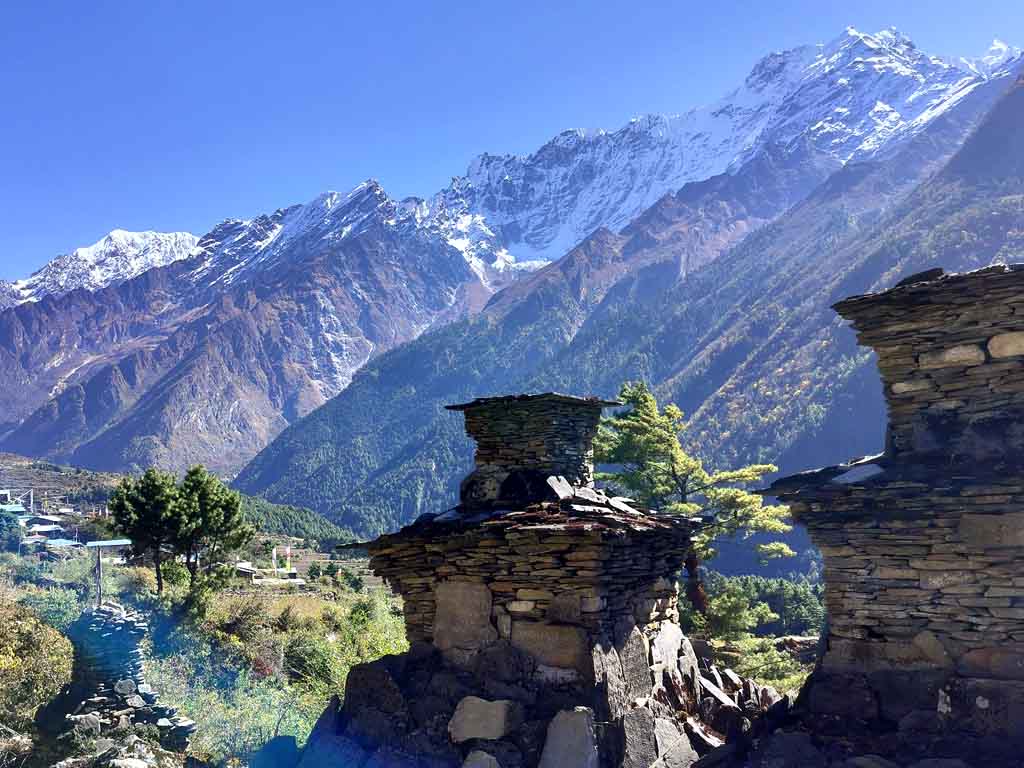
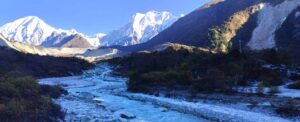
If you are looking for a trek that feels remote, culturally rich, and transformative, the Tsum Valley Trek in Nepal belongs at the top of your list. This is one of those rare routes where the destination is spectacular, but the atmosphere-quiet, spiritual, and untouched-matters just as much. It is a true hidden valley, characterized by quiet villages, deep-rooted Buddhist heritage, and panoramic mountain views.

- Nepal
- Trekking and Hiking
- Annapurna Region
- Everest Region
- Everest Base Camp Trek – 14 Days
- Gokyo Lake Trek – 12 Days
- Everest View Panorama Trek – 9 Days
- Phaplu to Everest BC Trek – 17 Days
- Mundum Trail – 14 Days
- Pikey Peak Everest Trek – 10 Days
- Solu Dudh Kunda Trek – 10 Days
- EBC and Cho La Pass Trek – 17 Days
- Jiri to Everest Base Camp Trek
- Arun Valley to Everest BC Trek
- Everest Three Passes Trek
- Langtang & Special Zone
- Tours
- Climbing
- About Us
- Contact
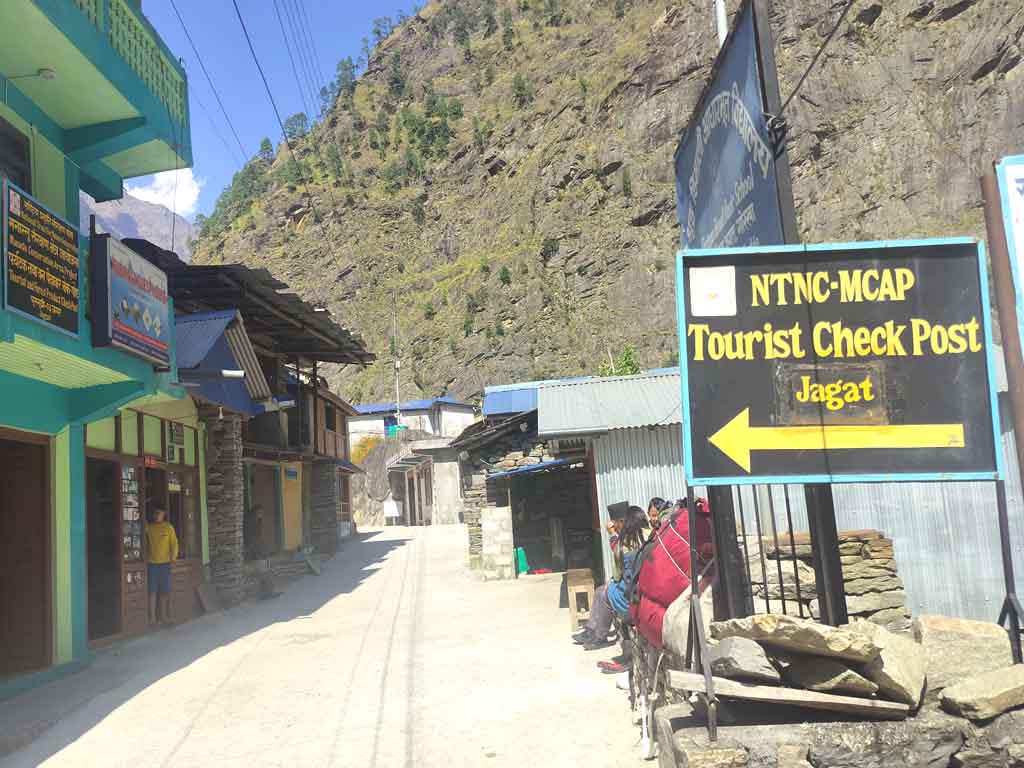
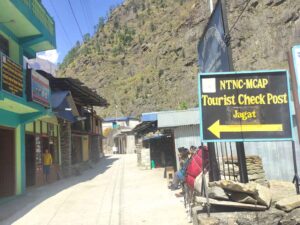 Your first day on the trail follows the Budhi Gandaki River through small, traditional villages and across winding suspension bridges. You will navigate riverbank trails that mix stone steps with rugged, narrow passages. While the terrain is non-technical, it is a dynamic path that shifts from subtropical forests to a more defined mountain landscape. Reaching Jagat, you will immediately notice the shift toward a more remote, mountain-focused world.
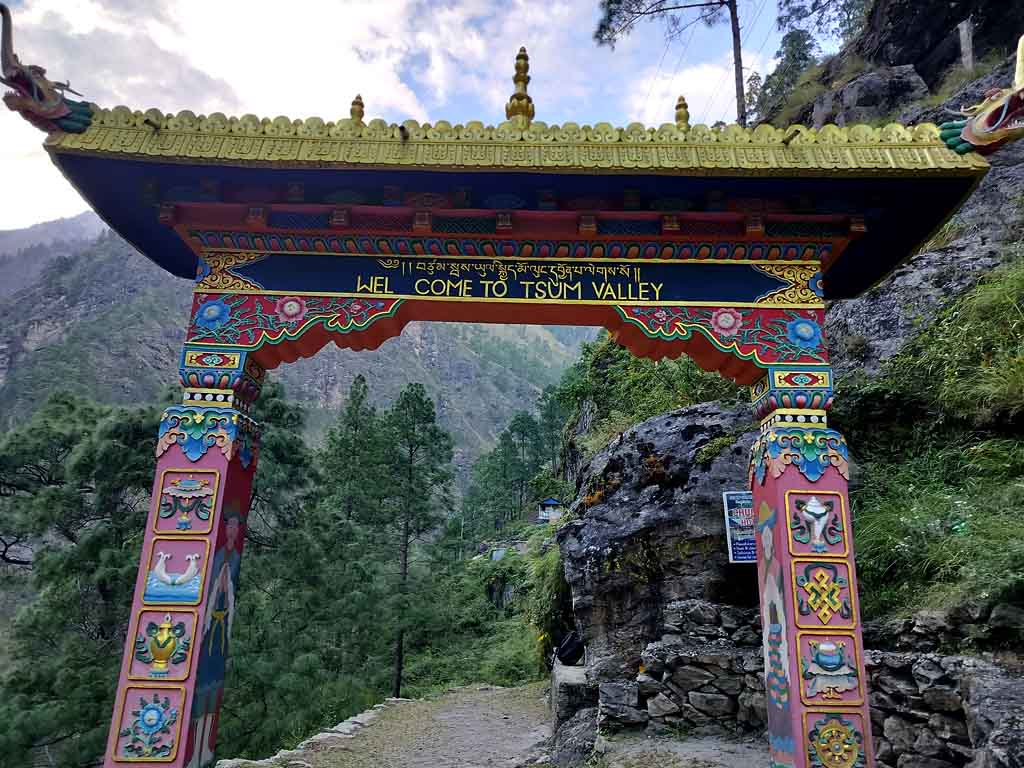
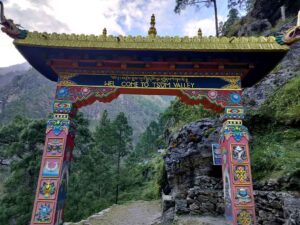 Today, the atmosphere shifts significantly. After departing Jagat, you enter the restricted section of the valley. The trail becomes noticeably more secluded, the forests denser, and the sense of entering a special, protected zone takes hold. Lokpa serves as the threshold village; as you cross over into the Tsum region proper, the mood of the trek changes—everything becomes quieter, more inward-looking, and spiritually distinct.
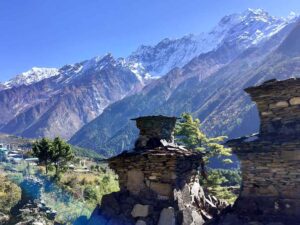 As you gain altitude, the valley opens into a spacious, panoramic environment. The walk to Chhokang Paro feels like an ascent into the heavens of Tsum. The villages sit higher, the air is crisper, and the horizon feels endless. This is a crucial day for pacing; moving steadily at this altitude ensures you are well-acclimated for the higher elevations to come.
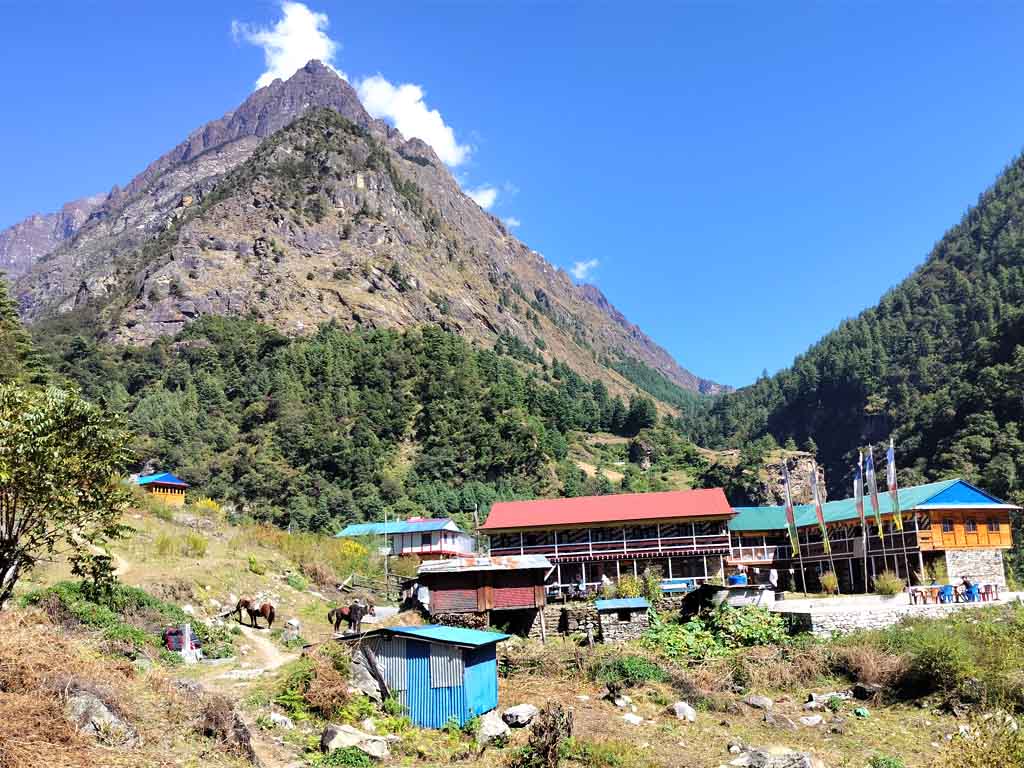
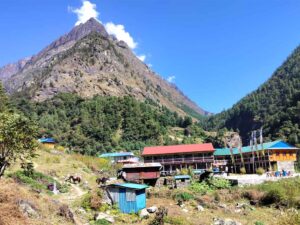 You will begin your descent, stopping for lunch at Chhokang Paro before continuing down to Rainjam. This village offers a unique, off-the-beaten-path experience. Accommodation here is intimate, featuring newer, well-maintained lodges that offer a quiet respite after the high-altitude days.